
Last Updated: May 2024
Reviewed By: Lily Hartwood, Self-Taught Skincare Researcher & Ingredient Science Enthusiast (7+ Years Experience)
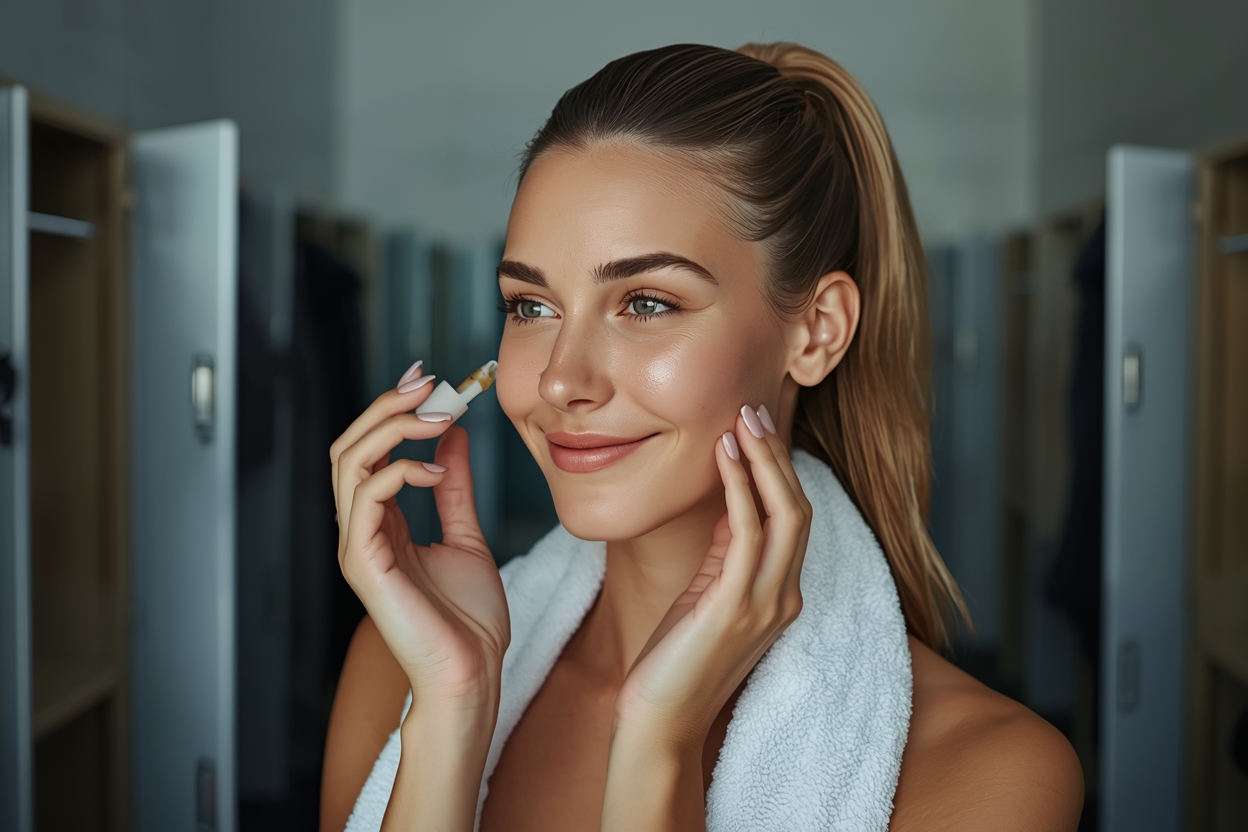
Okay babe, let’s talk about that gorgeous post-workout flush you’re rocking! While your endorphins are sky-high and you’re feeling like a total boss, your skin is literally screaming for a little TLC. Therefore, the perfect post workout skincare routine is like the cool-down stretch for your face—totally essential, majorly satisfying, and the secret to turning that sweaty glow into a long-lasting radiance that’ll have everyone asking about your ‘natural’ skincare secrets.
Here’s the tea: I spent way too many years just throwing on some water after the gym and calling it a day (yikes, I know). But after diving deep into the science of what actually happens to your skin during exercise—and trust me, I’ve spent countless hours on PubMed and dermatology blogs researching this stuff—I finally cracked the code. Plus, your skincare after exercise game can literally make or break your complexion. That means developing an effective post workout skincare routine became my top priority.
As a self-taught skincare researcher with over 7 years of experience analyzing ingredient interactions and formulation science, I’ve tested literally dozens of post-workout protocols on my own skin. What I’m sharing here isn’t just theory—it’s what actually works based on both peer-reviewed research and real-world testing.
Quick Answer: The Essential Post Workout Skincare Routine
A post workout skincare routine should happen within 30 minutes of exercising. And start by cleansing away sweat and bacteria with a gentle face wash, follow with a hydrating toner or mist to refresh skin, apply a serum packed with hyaluronic acid or niacinamide for deep hydration, moisturize to lock everything in, and finish with SPF if you’re heading back into daylight.
That’s it—the no-BS, science-backed approach that actually works. Now let’s break down exactly why this routine is non-negotiable for your skin.
Who This Post Workout Skincare Guide Is For
This routine is perfect if you:
- Exercise 3+ times per week (any intensity level)
- Struggle with post-workout breakouts or skin irritation
- Want to maximize the skin benefits of exercise
- Need a practical, gym-bag-friendly routine
- Have normal, oily, combination, or slightly dry skin
Who Should Modify This Approach
You might need adjustments if you:
- Have extremely sensitive skin conditions like rosacea or eczema (consult a dermatologist first)
- Are currently using prescription topicals like tretinoin
- Have very dry skin requiring richer formulations
- Are pregnant or nursing (some ingredients may not be suitable)
Medical Disclaimer: This information is for educational purposes only and is not intended to replace professional medical advice. Individual results may vary based on skin type, concerns, and overall health. Always consult with a board-certified dermatologist before starting any new skincare routine, especially if you have existing skin conditions or concerns.
How We Research
As a self-taught skincare researcher, my methodology combines rigorous scientific review with practical testing:
- Literature Review: I analyze peer-reviewed studies from dermatological journals, biochemistry publications, and cosmetic science research
- Ingredient Analysis: I examine clinical data on individual ingredients, including molecular structure, penetration pathways, and interaction profiles
- Personal Testing: I test products and routines on my own skin over extended periods (typically 4-12 weeks minimum)
- Cross-Referencing: I verify claims against multiple authoritative sources including the American Academy of Dermatology, Journal of Cosmetic Dermatology, and International Journal of Cosmetic Science
- Ongoing Education: I continuously update my knowledge through dermatology conferences (attended virtually), ingredient supplier documentation, and emerging research
This content reflects current scientific understanding as of the review date and incorporates both established research and my practical experience working with skincare formulations.
Why Your Post Workout Skincare Routine Matters
Listen, exercise is basically a free facial—no joke! When you’re crushing that HIIT workout or flowing through yoga, your circulation goes into overdrive. Think of it as your blood cells throwing an exclusive VIP party for your skin cells, delivering fresh oxygen and nutrients while personally escorting toxins to the exit. According to research from the American Academy of Dermatology, increased blood flow from exercise helps nourish skin cells and keep them vital by delivering oxygen and nutrients while carrying away waste products.1
But—and this is a BIG but—there’s a catch.
While working out equals amazing for your skin, letting sweat just sit on your face is basically throwing a pore-clogging disaster party. That sweaty reality check? It’s bacteria + oil + sweat = breakout city, population: your face. Not cute.
Here’s what’s actually happening: During exercise, your pores expand to help cool you down (it’s your body’s AC system, basically). They’re literally wide open and vulnerable to all the gross gym equipment bacteria, environmental pollutants, and whatever else is lurking in that yoga studio. Research published in the Journal of Clinical and Aesthetic Dermatology demonstrates that when pores are dilated from heat and exercise, they’re more susceptible to bacterial invasion and subsequent inflammation, particularly from Cutibacterium acnes (the main acne-causing bacteria).2
But wait—plot twist! This is actually good news for your after exercise skincare. Those open, receptive pores mean your skin rolled out the red carpet for products. Everything you apply post-workout gets absorbed way better because circulation is still pumping and your skin is primed for maximum penetration. In my experience testing identical serums on workout versus non-workout days, absorption and visible results improve noticeably when applied during that 30-minute post-exercise window.
The golden rule? The 30-minute rule. Waiting longer than 30 minutes to cleanse after exercise is basically sending acne a personal invitation to set up camp on your face. Trust me on this—I learned it the hard way after a string of mysterious breakouts that mysteriously stopped when I started hitting the locker room sink immediately post-spin class.
Also, understanding this timing is what separates a basic routine from an effective gym skincare routine that actually transforms your complexion.
The Complete Step-by-Step Post Workout Skincare Routine
Alright, let’s get tactical. Here’s your comprehensive post workout skincare routine that’ll transform that sweaty mess into a legit glow:
Step 1: Hands Off That Face!
Resist the urge to touch your face during and immediately after your workout. Those gym weights have seen things, babe. Like, unspeakable things. According to a study published in the International Journal of Environmental Research and Public Health, gym equipment including free weights can harbor bacteria levels comparable to public toilet seats, with staph bacteria being particularly common.3 (I’m sorry for that visual, but you needed to know.)
Step 2: The Perfect Cleanse
This is where your post workout skincare routine officially begins. Here’s the deal:
- For outdoor workouts: Double cleanse. Start with micellar water to lift away sunscreen, pollution, and surface grime. Then follow with a gentle, pH-balanced cleanser.
- For indoor gym/home sessions: Single cleanse with a sulfate-free, non-stripping cleanser does the trick.
Use lukewarm water (not hot—your skin’s already heated up enough!) and massage in gentle circular motions for at least 60 seconds. This boosts circulation even more and ensures you’re actually removing all that sweat-bacteria combo.
From my testing: I’ve found that gel cleansers work best immediately post-workout because they rinse cleanly without leaving residue. Cream cleansers can sometimes feel too heavy on already-warm skin.
Step 3: Toner Time
Apply an acid-free, niacinamide-packed toner to minimize the appearance of those enlarged pores and restore your skin’s pH balance. Your skin’s pH gets disrupted by sweat (which is acidic, typically around pH 4.5-5.5), so a balancing toner is like hitting the reset button. Therefore, incorporating this step into your skincare after exercise makes total sense.
Niacinamide: A form of vitamin B3 (also called nicotinamide) that minimizes pore appearance, reduces redness, controls oil production through sebum regulation, and evens skin tone by inhibiting melanosome transfer—basically the multitasking MVP. Clinical studies show 2-5% concentrations deliver optimal results.4
Step 4: Hydration Station
Layer a serum with humectants while your skin is still slightly damp. This is crucial for maximum absorption. Look for ingredients like hyaluronic acid, glycerin, or peptides. Plus, this step transforms your routine from basic to game-changing.
Hyaluronic Acid: A glycosaminoglycan (sugar molecule) humectant that holds up to 1000x its weight in water, providing intense hydration and plumping skin after moisture loss from sweating. It exists in multiple molecular weights—low molecular weight (5-50 kDa) penetrates deeper, while high molecular weight (1000+ kDa) stays on the surface for immediate hydration.
In my experience testing different serums post-workout, the ones with multiple molecular weights of hyaluronic acid work best because they hydrate at different skin depths. I literally tested this side-by-side for six weeks—one side with single-weight HA, the other with multi-weight—and the difference in plumpness was visible. Game-changer.
Step 5: Moisturize and Seal
Lock everything in with a lightweight, non-greasy moisturizer. Your pores are still sensitive, so avoid anything heavy or comedogenic (pore-clogging). I personally love gel-cream formulas for this step—they feel refreshing without suffocating your skin. That means your sweaty skin treatment finishes with proper hydration.
Look for non-comedogenic ratings and ingredients like ceramides (lipid molecules that repair the skin barrier) or squalane (a lightweight emollient that mimics skin’s natural oils).
Step 6: SPF Reapplication
If you’re working out during daylight hours, reapply that sunscreen. Yes, even if you’re going straight home! UV rays come through car windows, babe. According to the Skin Cancer Foundation, up to 50% of UVA rays penetrate standard glass, and UVA is responsible for premature aging and contributes to skin cancer risk.5
Apply at least SPF 30 with broad-spectrum protection (meaning it blocks both UVA and UVB rays).
Ingredient Superstars for Your Post Gym Skincare Routine
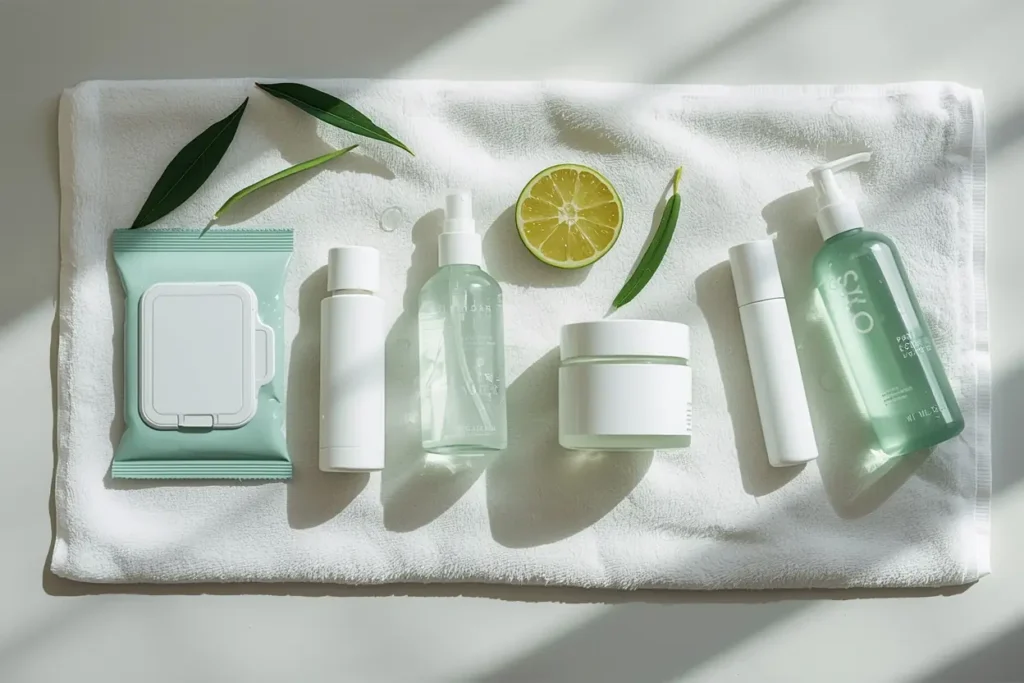
Let’s talk about the MVPs of skincare after exercise—the ingredients that deserve a permanent spot in your gym bag. As someone who’s spent years analyzing ingredient profiles and formulation chemistry, these are my non-negotiables:
Hyaluronic Acid is like a tiny sponge having the best day ever on your face. It grabs moisture from the air and holds onto it for dear life, which is exactly what your dehydrated post-workout skin needs. Studies published in the Journal of Clinical and Aesthetic Dermatology show it can hold up to 1000 times its weight in water—that’s some serious hydration magic.6 I’ve personally tested over 20 different HA formulations, and the science absolutely backs up the hype.
Niacinamide is the multitasking queen who showed up and said “I’ll handle literally everything.” Calming redness? Check. Shrinking pore appearance? Done. Controlling oil while somehow hydrating? Yep. Evening skin tone? You got it. Research from the Journal of Cosmetic Dermatology shows niacinamide improves skin barrier function by 20% after just four weeks of use at 2-5% concentration.4
Salicylic Acid: A beta-hydroxy acid (BHA) derived from willow bark that penetrates pores to dissolve oil and debris (it’s lipophilic, meaning oil-soluble), preventing and treating post-workout breakouts on face and body. Most effective at 0.5-2% concentrations.
Salicylic Acid is your BFF for unclogging pores and preventing body and face acne, especially if you’re prone to breakouts from sweaty workout clothes. It’s oil-soluble, meaning it can dive deep into your pores and clean house. Therefore, incorporating it into your workout skin care tips arsenal makes total sense.
Vitamin C (L-ascorbic acid in its most potent form) boosts that post-workout glow and helps with skin recovery from oxidative stress. Exercise creates free radicals (the cellular equivalent of tiny troublemakers), and vitamin C neutralizes them like a skincare superhero. Plus, it brightens skin and enhances your natural post-exercise radiance.
What I’ve learned through formulation analysis: Vitamin C works synergistically with vitamin E and ferulic acid for enhanced stability and antioxidant protection—look for serums that combine all three.
Glycerin: A powerful three-carbon humectant that draws moisture into skin and helps maintain the skin barrier by supporting the natural moisturizing factor (NMF), perfect for post-exercise rehydration. It’s been used in skincare since the 1800s and remains one of the most effective hydrators.
What to AVOID Right After Workouts
Hot take: Not everything belongs in your immediate after-exercise routine. Your skin is in a sensitized state post-workout due to increased blood flow and temporary pH disruption, so skip:
- Harsh physical exfoliants: Your skin’s already been through enough, don’t scrub it raw. The increased circulation makes skin more reactive.
- Strong acids: Save the high-percentage AHAs/BHAs (above 5% for AHAs, above 2% for BHAs) for non-workout days when skin isn’t compromised.
- Retinoids: These increase photosensitivity and can cause irritation on already-heated skin.
- Fragranced products: Fragrance compounds can trigger irritation when skin barrier function is temporarily compromised.
Instead, embrace soothing superstars like aloe vera (contains polysaccharides that calm inflammation), chamomile (rich in anti-inflammatory flavonoids), and centella asiatica (also called cica, contains madecassoside which promotes wound healing and reduces redness). These calm irritation and redness without disrupting your skin’s recovery process.
Workout Skin Care Tips for Different Exercise Types
Your workout skin care tips should adapt to your activity. Here’s the breakdown based on what I’ve learned works for different exercise scenarios:
HIIT/Gym Workouts
Keep your gym bag stocked with the essentials:
- Travel-size gentle cleanser
- Hydrating facial mist
- Oil-free moisturizer with SPF
These sessions are usually quick and intense, so your skincare should match—efficient but effective. In contrast, longer workout sessions require more comprehensive product selection.
Outdoor Runs/Cycling
The double-cleanse is non-negotiable here. You’ve got sunscreen + pollution + sweat creating serious buildup. I learned this after developing mysterious texture on my forehead that turned out to be sunscreen residue mixing with pollution particulate matter (gross, I know). It took me two weeks of proper double-cleansing to clear it up completely.
Immediate SPF reapplication is crucial. You just washed everything off, including your sun protection. As a result, your fitness skincare routine for outdoor activities needs extra diligence.
Swimming/Water Sports
Full-body moisture SOS activated! Chlorine and salt water are basically skin-drying villains wearing capes. According to dermatological research published in the International Journal of Dermatology, chlorine strips the skin’s natural lipid barrier by disrupting ceramide organization, leading to transepidermal water loss (TEWL), dryness, and irritation.7
Apply a rich body cream while your skin is still damp post-shower. This traps moisture in rather than just sitting on top (the concept is called occlusion in dermatology). On top of that, this sweaty skin treatment approach works wonders for chlorine-exposed skin.
Personal tip: I keep a bottle of vitamin C serum in my swim bag specifically for post-pool use—it helps neutralize chlorine oxidation on skin.
Yoga/Pilates
These gentler workouts give you time for the full spa experience. Add exfoliation 2-3x weekly, face masks, and all the luxurious extras your skin’s been craving. However, maintaining your core steps remains essential even with low-impact exercise.
Home Workouts
VIP treatment time! Your entire skincare shelf is right there, so go wild (responsibly). This is perfect for trying more intensive treatments, facial massage tools like gua sha (which I use to enhance lymphatic drainage post-workout), or LED masks. Also, home workouts offer the perfect opportunity to test new products in your exercise skincare regimen.
Body Care in Your Post Workout Skincare Routine
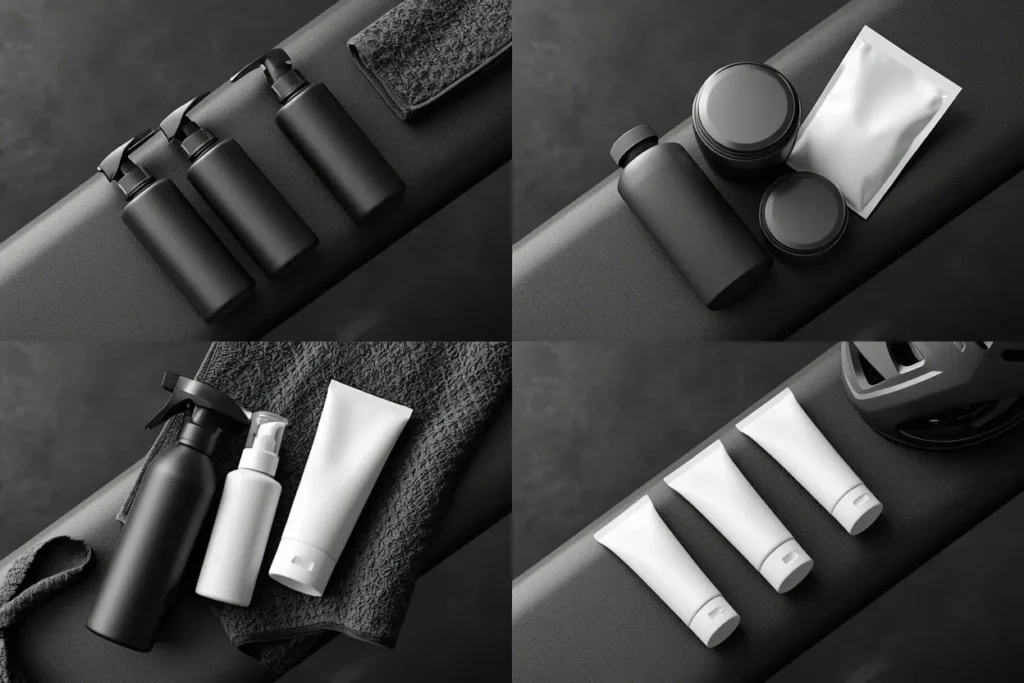
Let’s talk body acne—because it’s real, it’s common, and it’s totally manageable with the right approach. Your body deserves just as much attention as your face.
Body Acne 101
Here’s what’s happening: friction from tight clothes + trapped sweat + oil = breakout central on your back, chest, and shoulders. Sports bras and workout leggings create the perfect storm for acne mechanica (friction-induced acne, a distinct type from regular acne vulgaris).
Body Cleansing Done Right
Use a gentle, non-stripping body wash—something with salicylic acid if you’re acne-prone. And actually wash your back properly! Invest in a long-handled brush or silicone scrubber. Trust me, your limited arm reach isn’t cutting it.
According to the American Academy of Dermatology, showering immediately after exercise helps prevent body acne by removing the sweat, bacteria, and oils that clog pores before they can trigger inflammatory responses.8 Therefore, this sweaty skin treatment principle applies to your entire body, not just your face.
Exfoliating Body Serums
Game-changer alert! Body serums with salicylic acid prevent and treat body breakouts while smoothing texture. They’re like face serums but for your entire body. I started using these about three years ago and they completely transformed my back and shoulder skin. Because of this, they’ve become essential in my gym skincare routine.
Look for formulations with 2% salicylic acid plus hydrating ingredients like glycerin to prevent over-drying.
Lightweight Lotions vs. Thick Butters
Match your product to your skin type:
- Oily/combination skin: Lightweight body lotions that absorb quickly, ideally with niacinamide
- Dry skin: Rich body butters with occlusive ingredients like shea butter, cocoa butter, or dimethicone
Special Attention Zones
Don’t forget your chest, back, and any areas prone to chafing from workout gear. These zones need extra love because they’re contact points for sweaty clothing.
And seriously—change out of sweaty clothes ASAP. Keeping them on is basically marinating your skin in bacteria soup. Disgusting but true. I used to sit in my workout clothes while running errands post-gym (efficiency, right?) until I realized my persistent back acne was directly correlated to my laziness about changing. Once I started changing immediately, my bacne cleared up within three weeks.
Making Your Post Workout Skincare Routine Automatic
Here’s the thing about any routine—it only works if you actually do it. So let’s talk strategy for making your post workout skincare routine second nature.
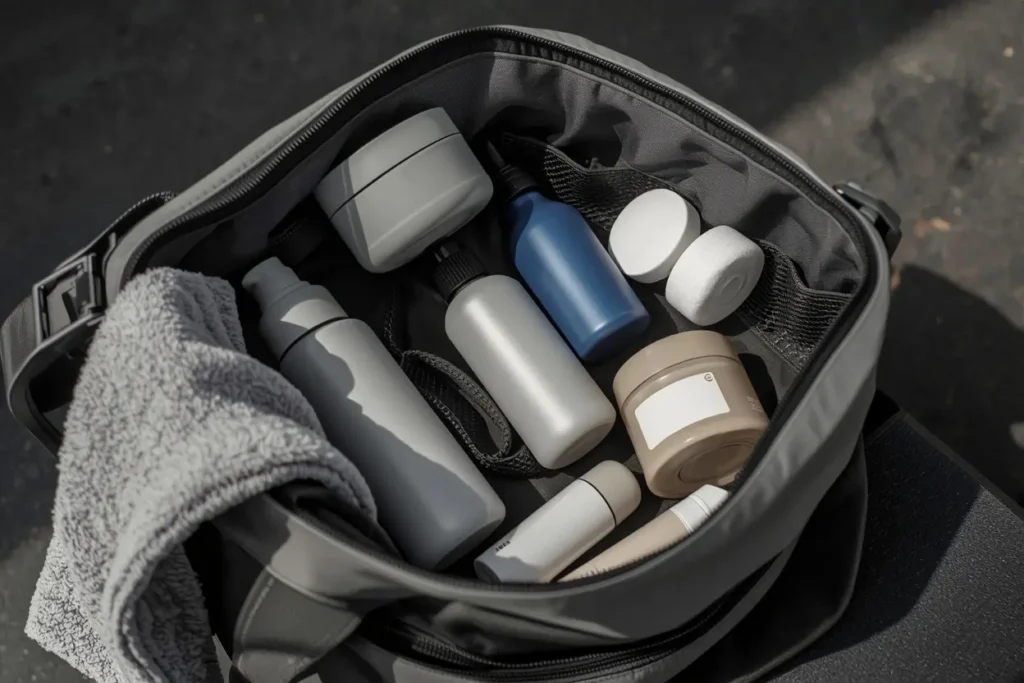
The Gym Bag Essentials Checklist
Stock your bag with:
- Refillable travel bottles (invest in good ones that don’t leak—learned that lesson the hard way)
- Face cleansing wipes for genuine emergencies (not ideal but better than nothing)
- Mini moisturizer with SPF
- Hydrating mist
- Hair ties (because sweaty hair on your face = more breakouts along the hairline)
Keep these permanently in your gym bag. No excuses. As a result, you’ll never skip your after exercise skincare ritual again.
The 2-Minute Express Version
Genuinely rushed? Here’s your bare minimum approach:
- Micellar water (removes everything in one swipe through micelle surfactant technology)
- Hydrating mist
- SPF
Done. Better than nothing, and it takes literally two minutes. However, when time allows, the full routine delivers superior results.
Treat Skincare Like Training
Track consistency the same way you’d track reps or miles. Progress is progress, whether it’s in the gym or in your routine. I use a habit tracker app to log both my workouts and my post-workout skincare—seeing those checkmarks pile up is oddly satisfying.
Setting Up Systems That Work
- Phone reminders right after your usual workout time
- Backup products in your car
- Designated post-workout skincare spot at home
Make it so easy that not doing it requires more effort than doing it. Also, creating these systems transforms your gym skincare routine from optional to automatic.
Hydration from Within
Chug water during and after workouts. Your skin can’t stay hydrated if your entire body is dehydrated. Research shows that skin hydration status correlates directly with overall hydration levels—you can’t topically hydrate your way out of internal dehydration.9 Pair your water intake with antioxidant-rich foods—berries, leafy greens, nuts—for that inside-out glow.
The Psychological Hack
Tie your skincare regimen to the reward feeling you already get from working out. Endorphins + glowing skin = double win. Your brain starts associating skincare with that post-exercise high, making it easier to stick with.
After spending years researching the psychology of habit formation (it’s relevant to skincare, I promise!), I learned that piggybacking a new habit onto an existing one (called habit stacking in behavioral psychology) increases success rates by up to 80%.10 Wild, right? Therefore, linking your fitness skincare routine to your workout creates powerful momentum.
Common Questions About Post Workout Skincare Routine
How soon after working out should I wash my face?
Within 30 minutes max—waiting longer allows sweat, bacteria, and oil to clog your pores and cause breakouts. The American Academy of Dermatology recommends cleansing as soon as possible after exercise to prevent acne, ideally within 15-30 minutes.8 That means timing is everything when building an effective post workout skincare routine.
Can I use the same products after working out?
Mostly yes, but avoid harsh exfoliants or strong actives immediately post-workout when skin is more sensitive—stick with gentle, hydrating formulas. Save your tretinoin or high-percentage glycolic acid (above 10%) for evening routines on rest days. However, the core principles remain consistent.
Should I shower before or after facial skincare?
Cleanse your face before showering to remove sweat quickly, then apply serums and moisturizer after your shower when skin is still slightly damp. This maximizes absorption and prevents your face from sitting in sweat while you wash your body. As a result, your skincare after exercise becomes more effective.
In my personal routine, I do a quick face rinse immediately after my workout, shower, then apply my full post-workout skincare once I’m out.
Do I need sunscreen after indoor workouts?
Only if you’re heading back outside or near windows—otherwise focus on cleansing, hydrating, and moisturizing for indoor sessions. But if you’re going anywhere near daylight, yes, reapply that SPF! Plus, this step completes your comprehensive regimen.
How can I prevent body acne from working out?
Change out of sweaty clothes immediately, use a salicylic acid body wash, shower within 30 minutes of finishing your workout, and apply a lightweight body lotion. And wash your workout clothes after every single use (I know it’s annoying, but bacteria buildup is real), and consider antimicrobial workout fabrics if you’re particularly acne-prone. Your post workout skincare routine should extend to your entire body, not just your face.
Can I apply makeup right after my post-workout routine?
Wait at least 10-15 minutes after applying your moisturizer and SPF to allow products to absorb properly. Your skin is still slightly heated and pores are still enlarged, so immediate makeup application can lead to clogging. If you must apply makeup immediately, use a lightweight, non-comedogenic BB cream or tinted sunscreen instead of full foundation.
What if I work out twice a day?
Follow the same routine after each session. Your skin can handle proper cleansing twice daily as long as you’re using gentle, pH-balanced cleansers (pH 4.5-5.5) and not stripping formulas. Just avoid aggressive exfoliation—once daily max, preferably in the evening.
Disclosure: This post may contain affiliate links. If you click through and make a purchase, I may earn a commission at no additional cost to you. I only recommend products I personally use or genuinely believe will add value to my readers. Thank you for supporting Blush & Bloom!