

If your skin’s been feeling crustier than a day-old baguette lately, you’re not alone, babe! Winter weather is basically a moisture vampire, sucking all the hydration out of your poor skin barrier. But here’s the tea: building the perfect winter skincare routine isn’t about buying every fancy cream in Sephora—it’s about understanding what your skin actually needs when temperatures drop and giving it that cozy, hydrated hug it’s literally screaming for.
Quick Answer: Your Winter Skincare Routine Essentials
An effective winter skincare routine should include gentle cleansing, chemical exfoliation (once weekly), hydrating serums with hyaluronic acid, rich moisturizers with ceramides, facial oils for extra moisture lock-in, broad-spectrum SPF daily, and occlusive treatments at night. Layer products from thinnest to thickest consistency. Focus on ingredients that attract moisture (humectants) and seal it in (emollients and occlusives).

Why Your Skin Needs a Winter Skincare Routine Makeover
Okay, let’s get real about what winter actually does to your face. When temperatures drop and you crank up that indoor heating, you’re basically creating a moisture escape room for your skin—and not the fun kind.
Think of your skin barrier like a brick wall. Your skin cells are the bricks. The lipids (fancy word for natural oils and fats) are the mortar holding everything together. In perfect conditions, this wall is strong, smooth, and keeps all the good stuff in while blocking the bad stuff out.
But winter? Winter is like that one friend who “accidentally” knocks into your carefully built Jenga tower. The low humidity outside plus the dry heat inside makes that mortar crumbly and weak.
This is where trans-epidermal water loss (TEWL) enters the chat—and she’s not invited to the party. Imagine your skin has tiny invisible holes that start leaking moisture into the dry winter air. It’s kind of like trying to fill a bathtub with the drain open. Your poor skin is working overtime trying to stay hydrated. The moisture just keeps escaping faster than you can say “hydration.”
Here’s where things get a little dramatic: when your skin realizes it’s losing moisture, it basically sends out an SOS signal. This triggers inflammation. It shows up as redness, sensitivity, and that uncomfortable tight feeling after washing your face. Your skin is literally throwing a tantrum because it’s dehydrated, and honestly? Valid.
And those lightweight gel moisturizers and water-based serums that kept you glowing all summer? They’re about as useful in winter as a screen door on a submarine. Summer products are designed for humidity and oil control. Winter demands heavier artillery.
You need cream-based formulas with serious staying power—the difference between a light cardigan and a puffy coat, if you will.
The bottom line? Your summer routine is ghosting your winter skin needs. It’s time for an upgrade. Therefore, adapting your winter skincare routine to the season is essential for maintaining healthy, hydrated skin.
The 7-Step Winter Skincare Routine That’ll Save Your Face
Let’s map out your cold weather skincare routine game plan before we dive into the juicy details. Think of this as your skin’s winter survival guide. It’s a strategic layering system that’ll transform your complexion from “please send help” to “how is she glowing in February?”
The golden rule for any winter skincare routine is layering products from thinnest to thickest consistency. You’re basically building a moisture sandwich. Each layer plays a specific role. This isn’t just random—it’s chemistry, babe! Lighter products penetrate first. Then heavier ones seal everything in.
You’ll be working with three MVPs in your winter skin care products lineup:
- Humectants (they’re like moisture magnets—think hyaluronic acid and glycerin)
- Emollients (these soften and smooth your skin—hello ceramides and fatty acids)
- Occlusives (the bouncers that prevent moisture from leaving—petroleum jelly and thick balms)
Real talk: you won’t wake up tomorrow with perfect skin. However, a proper winter skincare routine takes about 2-4 weeks to fully repair your moisture barrier and show visible results. But you’ll feel relief from tightness pretty much immediately, which is honestly everything.
And before you panic about adding seven steps—deep breath. Additionally, you can totally customize this based on your skin type. Got oily skin? Skip the facial oil or use it only at night. Super dry? Double up on that moisturizer. This is your winter skin care regimen blueprint, not a rigid rule book.
Following these winter skin care tips by dermatologists will ensure you’re targeting the root causes of dry, irritated winter skin. You’ll be treating the problem, not just symptoms.

Step 1: Swap Your Cleanser (Because Stripping = Bad News Bears)
First things first: that foaming cleanser that made your skin feel “squeaky clean” in July? Yeah, she’s gotta go. In winter, squeaky clean = stripped skin. Stripped skin = moisture barrier chaos.
Foaming and gel cleansers work by using surfactants (the bubbling agents) to grab onto oil and dirt. They’re super effective—maybe too effective for winter. Furthermore, when your skin already needs every drop of natural oil it can produce, these cleansers are basically robbing your skin blind. It’s like taking an umbrella from someone who’s already standing in the rain.
Instead, reach for cream or oil-based cleansers with pH-balanced formulas. These gentle giants cleanse without demolishing your skin’s natural protective oils. They’re like the friendly security guard who checks IDs but doesn’t tackle everyone who walks through the door.
Here’s a pro move for learning how to take care of winter skin: check your water temperature. Hot showers feel like heaven when it’s freezing outside. But hot water is actually wrecking your moisture barrier. It strips away those precious lipids (remember our brick wall mortar?). Your skin is left vulnerable. Lukewarm water is your new best friend—I know, I know, it’s not as satisfying. Your skin will literally thank you.
When you’re actually cleansing, use gentle circular motions with your fingertips. No aggressive scrubbing. No washcloths that feel like sandpaper. Treat your face like you’re petting a very expensive cat—soft, gentle, with intention.
Double cleansing at night (oil cleanser first, then cream cleanser) is clutch if you wear makeup or sunscreen. However, keep your morning cleanse super minimal. Sometimes just splashing your face with lukewarm water is enough in the AM. This is especially true if your skin is on the drier side.
Why Gentle Cleansing Matters for Your Winter Skincare Routine
The cleansing step sets the foundation for your entire winter skincare routine. If you strip your skin at this stage, every product that follows has to work overtime to compensate. Your cleanser should leave your skin feeling soft and comfortable. If you feel tight or squeaky right after cleansing, that’s your skin crying for help.
Step 2: Gentle Exfoliation for Your Winter Skincare Routine
Okay babe, I’m about to hit you with something that sounds contradictory: you still need to exfoliate in winter. Just way less aggressively. Here’s why—when dead skin cells pile up on the surface, it’s like trying to water a plant when leaves are blocking the soil. Your lovely hydrating products can’t penetrate properly if there’s a layer of dead skin playing bouncer.
Ditch the physical scrubs (those little beads and granules). Switch to chemical exfoliants, specifically AHAs like glycolic acid. Therefore, chemical exfoliants dissolve the bonds between dead skin cells instead of scrubbing them off. It’s the difference between gently untangling a necklace versus yanking on it until it breaks.
Glycolic Acid: An alpha hydroxy acid (AHA) that gently dissolves dead skin cells while attracting water to the skin, making it perfect for winter exfoliation without over-drying.
The key in your winter skincare routine? Once weekly, max. Moreover, maybe even once every 10 days if your skin is super sensitive. You’re maintaining a smooth surface for product absorption. You’re not trying to sand down a coffee table.
When incorporating exfoliation into your winter skin care routine, always follow up with extra hydration. Additionally, consider reducing the frequency if you notice any irritation or excessive dryness developing.
Exfoliation Tips for Cold Weather
Exfoliation during winter requires a delicate balance. Your skin is already stressed from environmental factors. Therefore, be extra gentle. Apply your chemical exfoliant to dry skin for better control. Wait a few minutes before continuing with your winter skincare routine steps.
Step 3: Hydrating Serums (The Moisture Magnets)
Now we’re getting to the good stuff—serums are where the magic happens. These concentrated formulas deliver powerful ingredients directly to your skin. In addition, in winter, you want to focus on hydration heroes.
The holy trinity of hydrating ingredients:
- Hyaluronic acid (holds 1,000 times its weight in water—it’s basically a moisture sponge having the best day of its life)
- Glycerin (a humectant that pulls water from the air into your skin)
- Squalane (mimics your skin’s natural oils for seamless hydration)
Hyaluronic Acid: A naturally occurring molecule that can hold up to 1,000 times its weight in water, acting like a hydration reservoir for your skin cells.
One of my absolute favorites is the Timeless Skin Care Hyaluronic Acid 100% Pure Serum, which combines hyaluronic acid with botanical extracts to amplify your skin’s own HA production. It’s basically like teaching your skin to fish instead of just giving it a fish, you know?
Here’s the insider tip for applying serums: pat them onto damp skin, not dry. When your skin is slightly moist (right after cleansing or spritzing with a hydrating toner), serums absorb way better. It’s like how a sponge soaks up water faster when it’s already a bit damp versus bone dry.
And please, for the love of glowing skin, use patting motions instead of rubbing. Consequently, patting helps product absorption while being gentle on your skin barrier. Think gentle taps. You’re typing on the world’s most delicate keyboard.
Layering multiple hydrating serums is a game-changer for your winter skin care regimen. For example, you might use a hyaluronic acid serum followed by a niacinamide serum. Just wait 30-60 seconds between each layer to allow proper absorption.

Timeless Skin Care Hyaluronic Acid 100% Pure Serum
Maximizing Serum Benefits in Your Winter Skincare Routine
Serums are the workhorses of any effective winter skincare routine. They penetrate deeper than moisturizers. They deliver concentrated active ingredients exactly where your skin needs them most. Therefore, don’t skip this step even if you’re in a hurry.

Step 4: Rich Moisturizers for Winter Skin Protection
If serums are the appetizer, moisturizers are the main course of your winter skincare routine. This is where you’re rebuilding that brick wall we talked about earlier. Specifically the mortar that holds everything together.
Your winter moisturizer should be loaded with ceramides, niacinamide, and fatty acids. Let me break down why these ingredients are absolute rockstars:
Ceramides: Lipid molecules that make up about 50% of your skin’s composition—they’re literally the “glue” holding skin cells together, preventing moisture loss and keeping irritants out.
When winter weather breaks down your natural ceramides (which it loves to do, the villain), supplementing them through skincare is like calling in reinforcements. As a result, you’re giving your skin the building blocks it needs to repair itself.
Niacinamide: A form of vitamin B3 that strengthens the skin barrier, reduces inflammation, and helps your skin produce more of its own natural ceramides and fatty acids.
Your winter skin protection strategy should include different moisturizers for day and night. During the day, go for something rich but not so heavy that your makeup slides off by noon. At night, you can go full luxury mode with the thickest, most decadent cream in your arsenal. Your skin does most of its repair work while you sleep. Give it all the tools it needs.
For a day moisturizer that hits all the right notes, I’m obsessed with the Drunk Elephant Lala Retro Whipped Cream. It’s packed with ceramides and plant oils but has this whipped texture that sinks in beautifully without feeling greasy. Plus, it plays nice with makeup, which is honestly a non-negotiable for me.
Pro tip: if your skin is really struggling, layer two moisturizers—a lighter one first, then a heavier cream on top. It’s called moisture sandwiching. Yes, it’s as effective as it sounds.
The best winter skin care products for moisturizing contain a blend of humectants, emollients, and occlusives. Furthermore, look for ingredients like shea butter, squalane, and peptides for maximum barrier repair.
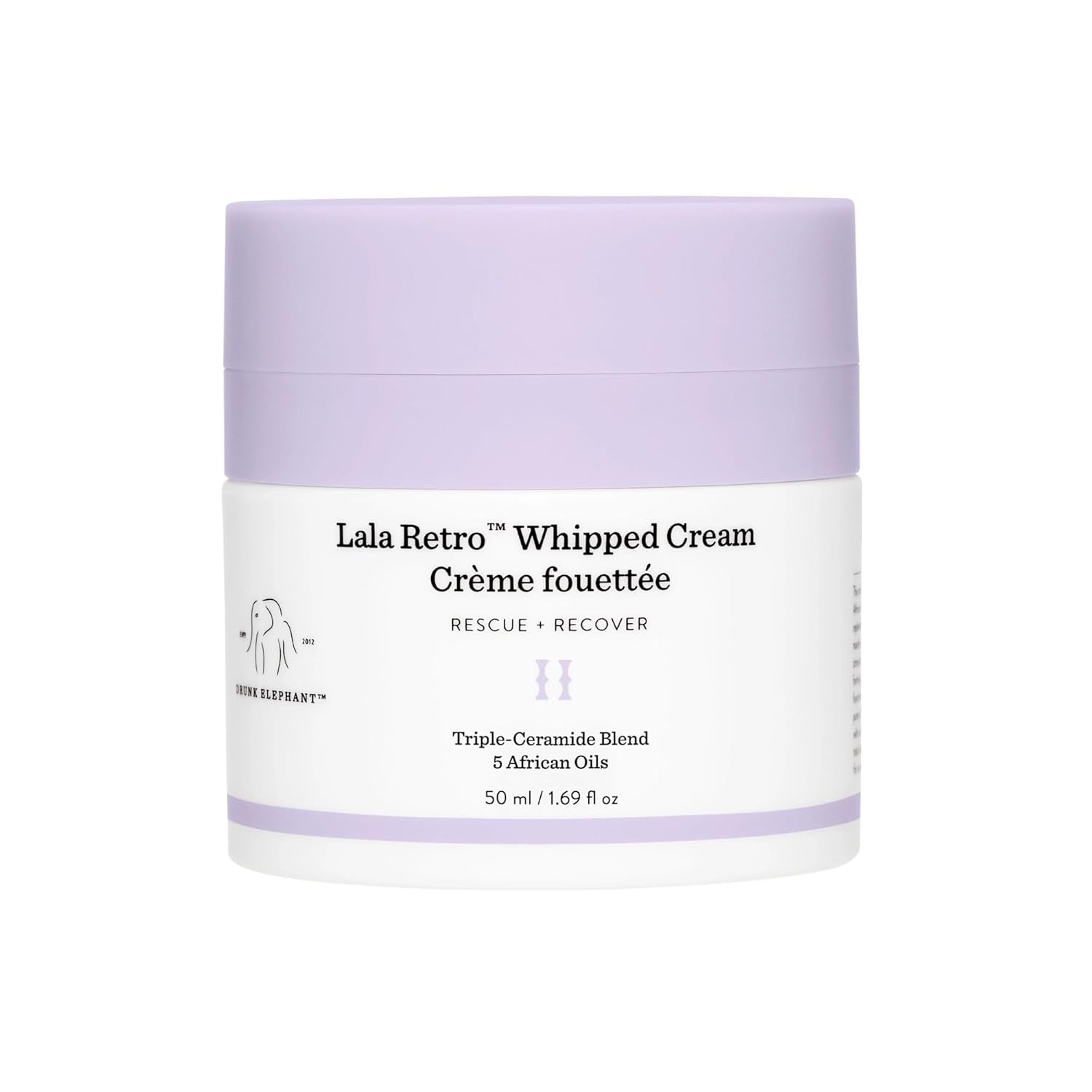
Drunk Elephant Lala Retro Whipped Cream
Choosing the Right Moisturizer for Your Winter Skincare Routine
Your moisturizer choice can make or break your winter skincare routine success. Look at the ingredient list carefully. The first five ingredients are the most important. They make up the bulk of the formula. Ceramides should appear within the first seven ingredients for maximum effectiveness.
Step 5: Facial Oils (The Moisture-Sealing Champions)
Plot twist: facial oils aren’t instead of moisturizer—they’re in addition to it. Oils don’t really hydrate your skin (that’s what water-based products do). However, they create a protective seal that prevents all that gorgeous hydration from evaporating.
Think of it this way: if your serum and moisturizer are filling up your skin’s moisture tank, facial oil is the cap. It keeps everything from spilling out.
The best facial oils for a dry skin winter routine:
- Rosehip oil (packed with fatty acids and vitamins)
- Marula oil (lightweight but super protective)
- Jojoba oil (mimics your skin’s natural sebum)
Squalane: A lightweight, non-comedogenic oil derived from olives or sugarcane that mimics your skin’s natural oils while providing a moisture-locking barrier.
You can apply oil as the last step of your routine. Or—here’s a game-changer—mix a few drops into your moisturizer before applying. This creates a custom hydration-sealing cream. It’s perfectly calibrated to your skin’s needs.
Incorporating facial oils into your winter skincare routine is especially beneficial for extremely dry skin types. In contrast, if you have oily or combination skin, use oils sparingly. Apply only in areas that tend to get dry.
Facial Oil Application Techniques
Adding facial oils to your winter skincare routine requires the right technique. Warm 2-3 drops between your palms first. Then press gently into your skin rather than rubbing. This method helps the oil distribute evenly. It prevents that greasy feeling some people complain about.
Step 6: Sunscreen for Your Winter Skincare Routine
I can hear you through the screen: “But it’s cloudy and freezing, do I really need sunscreen?” YES, BABE. UVA rays don’t take a winter vacation. They’re out there 365 days a year, ready to cause photoaging, increase dryness, and make fine lines more visible.
UVA rays are sneaky. They penetrate clouds, windows, and even your cozy winter scarf. Furthermore, they’re the reason dermatologists are basically allergic to the phrase “I don’t need sunscreen in winter.”
For your cold weather skincare routine, choose a hydrating sunscreen formula—preferably mineral-based with added moisturizing ingredients. Look for SPF 30 or higher. You need broad-spectrum protection (that means both UVA and UVB coverage). Bonus points if it includes ceramides or hyaluronic acid.
The winter skin care tips by dermatologists are unanimous on this: sun protection is non-negotiable. Therefore, think of sunscreen as the bodyguard for all the hard work your other products are doing. Additionally, snow reflects up to 80% of UV rays. Winter sun exposure can be even more intense than summer in snowy climates.
Why SPF Is Non-Negotiable in Your Winter Skincare Routine
Many people abandon SPF during winter months. This is a huge mistake. Sun damage accumulates year-round. Moreover, winter sun combined with reflective snow can actually cause more damage than summer sun. Your winter skincare routine absolutely must include daily SPF application.
Step 7: Nighttime Occlusives AKA ‘Slugging’ (The Moisture Lock-In)
Welcome to the final boss of your nighttime winter skincare routine: slugging. Yes, it sounds weird. Yes, it looks a little weird (you’ll be shiny). But does it work? Absolutely.
Slugging involves applying a thin layer of petroleum jelly or a thick occlusive balm as the very last step of your nighttime routine. In other words, this creates an almost impenetrable seal. It prevents trans-epidermal water loss while you sleep.
Petroleum Jelly: An occlusive ingredient that creates a moisture barrier on the skin’s surface, reducing water loss by up to 99% and allowing your skin to repair itself overnight.
Here’s when slugging is your BFF:
- Extremely dry, flaking skin
- Post-retinol irritation or sensitivity
- Targeted problem areas (around the nose, lips, or any rough patches)
- After chemical exfoliation when your skin needs extra recovery support
The technique is simple: after all your other products have absorbed (wait about 5 minutes after your last step), take a pea-sized amount of petroleum jelly. Gently pat it over your face. You’re not slathering—you’re creating a thin, protective layer.
Bonus: Treating Redness and Irritation in Your Winter Skincare Routine
Winter doesn’t just dry out your skin—it can also cause some serious redness and irritation, especially if you’re dealing with rosacea, eczema, or just general sensitivity. Your skin barrier is compromised, remember? That means it’s more reactive to everything.
If your skin is looking angrier than you feel on a Monday morning, you need ingredients that calm inflammation while repairing your barrier. Look for products with centella asiatica (also called cica or tiger grass), colloidal oatmeal, and allantoin.
The Dr. Jart+ Cicapair Tiger Grass Color Correcting Treatment is a game-changer for this exact situation. It’s got cica extract to calm inflammation, plus it has this genius color-correcting technology that neutralizes redness on contact. Like, you apply it green and it transforms to match your skin tone while actively treating the irritation underneath. It’s basically skincare sorcery.
For calming winter skin, layer these soothing ingredients before your regular moisturizer. Think of them as the emotional support your skin needs during its winter crisis.

Dr. Jart+ Cicapair Soothing Color Correcting Treatment SPF 30
Winter Skincare Routine for Different Skin Types
Dry Skin Winter Routine
If you have naturally dry skin, winter is basically your villain origin story. You need ALL the moisture, babe. Double up on everything—use a hydrating toner after cleansing, layer two serums, use a rich moisturizer both AM and PM, add facial oil, and slug every single night. Your mantra is “more is more.”
Oily Skin Winter Routine
Plot twist: even oily skin gets dehydrated in winter. Your skin might overproduce oil to compensate for moisture loss. Stick with lightweight hydrating serums and gel-cream moisturizers. Skip the facial oil during the day but consider using it at night in dry areas only. You still need hydration—just the lighter version.
Combination Skin Winter Routine
Welcome to the club of “my T-zone is an oil slick but my cheeks are the Sahara.” You get to mix and match, lucky you! Use lighter products on your oily zones and richer formulas on dry areas. Consider multi-masking at night—hydrating masks on dry areas, clay masks on oily zones.
Sensitive Skin Winter Routine
Fragrance-free is your new religion. Keep your routine simple—no more than 5-6 products. Focus on barrier repair with ceramides and soothing ingredients like centella and oat extract. Introduce new products one at a time. If something stings even slightly, it’s a hard no.
Common Winter Skincare Mistakes to Avoid
Let’s talk about what NOT to do, because sometimes that’s just as important as what you should do:
Taking scalding hot showers. I know they feel amazing when it’s 20 degrees outside, but they’re absolutely demolishing your skin barrier. Stick to lukewarm water, even though it’s less satisfying.
Over-exfoliating. Your dry, flaky skin might tempt you to scrub more. RESIST. Over-exfoliation makes everything worse. Once a week with a gentle chemical exfoliant is plenty.
Using the same products as summer. Your skin’s needs change with the seasons. That lightweight gel moisturizer isn’t cutting it anymore. Embrace the heavier formulas.
Skipping sunscreen. We already covered this, but it bears repeating. UVA rays don’t care about clouds or snow. Wear. Your. Sunscreen.
Forgetting your body. Your face isn’t the only thing that gets dry in winter. Slather your entire body with a rich moisturizer right after showering while your skin is still damp. Your legs will thank you.
Not using a humidifier. This isn’t technically a skincare mistake, but adding moisture to the air in your home is a total game-changer. It helps your skin retain hydration. Bonus: it makes it easier to breathe too.
Product Recommendations for Your Complete Winter Skincare Routine
Ready to build your dream winter skincare arsenal? Here’s what I recommend for each step:
Cleansers:
- Cream cleansers with ceramides
- Oil-based cleansers for double cleansing
- Micellar water for gentle morning cleansing
Exfoliants:
- Glycolic acid toners (5-10%)
- Lactic acid serums (gentler option)
- PHA-based exfoliants (for sensitive skin)
Hydrating Serums:
- Timeless Skin Care Hyaluronic Acid 100% Pure Serum
- Glycerin-based essence
- B5 serums for deep hydration
Moisturizers:
- Ceramide-rich creams like Drunk Elephant Lala Retro
- Facial balms for extra dry skin
- Sleeping masks for overnight hydration
Treatment Products:
- Calming treatments like Dr. Jart+ Cicapair for redness
- Barrier repair serums
- Niacinamide for inflammation
Oils & Occlusives:
- Rosehip, marula, or squalane oils
- Petroleum jelly for slugging
- Rich facial balms
Sunscreen:
- Mineral sunscreens with moisturizing bases
- Chemical sunscreens with added hydration
- Tinted options for extra protection
How Long Until You See Results?
Okay, real talk time. You’re not going to wake up tomorrow with perfect, glowy, hydrated skin. Sorry to burst that bubble. But here’s what you CAN expect:
Within 24-48 hours: That tight, uncomfortable feeling should disappear. Your skin will feel more comfortable and less angry.
Within 1 week: Surface dryness and flaking should significantly improve. Your skin will feel softer and look smoother.
Within 2-3 weeks: Your moisture barrier starts to repair itself. Redness and sensitivity decrease noticeably.
Within 4-6 weeks: Full barrier repair and optimal hydration levels. Your skin should look plump, healthy, and resilient.
The key is consistency, babe. You can’t do this routine for three days, skip a week, then wonder why your skin isn’t fixed. Skincare is a commitment, like going to the gym or watering your plants. Show up every day, and your skin will reward you.
Winter Skincare Routine FAQs
Q: Can I use retinol in winter?
Yes, but proceed with caution. Retinol can be extra irritating when your skin barrier is already compromised by winter weather. If you’re using it, buffer it with moisturizer, reduce frequency (maybe 2-3 times per week instead of nightly), and absolutely, positively wear sunscreen during the day. Consider taking a retinol break if your skin is really struggling.
Q: How do I know if my skin barrier is damaged?
Signs include: excessive tightness, stinging when you apply products (even gentle ones), increased sensitivity, persistent redness, flaking that won’t quit, and skin that feels rough or looks dull. If you’re experiencing several of these symptoms, focus on barrier repair before adding any active ingredients.
Q: Should I change my entire routine at once or gradually?
Gradually is always safer. Swap out your cleanser first and give your skin a week to adjust. Then introduce a richer moisturizer. Add your hydrating serum next. This way, if something causes irritation, you know exactly what the culprit is.
Q: Is it normal for my skin to purge when I start a winter routine?
No. Purging only happens with active ingredients that increase cell turnover (like retinoids or strong exfoliants). If you’re breaking out from your new winter moisturizer or cleanser, that’s not purging—that’s a reaction. The product might be too heavy for your skin or contain an ingredient that’s clogging your pores.
Q: Can I skip steps if I’m in a hurry?
If you absolutely must abbreviate your routine, the non-negotiables are: gentle cleanser, hydrating serum, moisturizer, and SPF (in the morning). You can skip the exfoliation, facial oil, and occlusive treatment if you’re pressed for time. But try not to make it a habit—consistency is key.
Final Thoughts: Your Winter Skincare Routine Starts Now
Listen, I get it. Seven steps sounds like a lot. You’re busy. You’re tired. Some nights you barely want to wash your face, let alone do an entire skincare routine. But here’s the thing: taking care of your skin in winter isn’t vanity—it’s maintenance. It’s self-care. It’s treating your skin with the respect it deserves after literally protecting your entire body 24/7.
Your skin works so hard for you. It’s your first line of defense against literally everything the world throws at you. In winter, it’s working overtime in brutal conditions. The least you can do is give it the hydration, protection, and nourishment it needs to do its job.
Start small if you need to. Pick three products: a gentle cleanser, a hydrating serum, and a rich moisturizer. Master those. Then add your sunscreen. Then layer in the extras as you get comfortable. Building a routine is like building any other habit—it takes time, consistency, and a little bit of patience with yourself.
Your winter skincare routine is an investment in yourself. Not just in how you look (though yes, glowing skin is amazing). But in how you feel. There’s something deeply comforting about taking ten minutes each day to do something kind for yourself. To massage products into your skin with intention. To watch your skin transform from stressed and dry to soft and hydrated.
You deserve to feel good in your skin, no matter what season it is. So grab those richer creams, embrace the slugging life, and show your skin some love this winter. Trust me—by the time spring rolls around, you’ll be glowing.
Now go forth and hydrate, babe. Your skin is literally waiting for you.
Disclosure: This post may contain affiliate links. If you click through and make a purchase, I may earn a commission at no additional cost to you. I only recommend products I personally use or genuinely believe will add value to my readers. Thank you for supporting Blush & Bloom!