

So you’re finally ready to get serious about your skincare routine, but suddenly your face is throwing a tantrum and nothing’s working? Girl, we’ve ALL been there. Whether you’re building your first basic skincare routine or trying to figure out why your current beginner skincare routine isn’t giving you that glow, chances are you’re making one (or all!) of these super common mistakes—but don’t worry, bestie, they’re totally fixable!

Quick Answer: The Fix Is Simpler Than You Think!
The five biggest beginner skincare routine mistakes are: using too many products too soon, skipping patch tests, not giving products enough time to work, over-exfoliating your skin, and applying products in the wrong order. Fix them by starting with a simple skincare routine of 3-4 essential steps, testing new products carefully, waiting 4-6 weeks to see results, exfoliating only 2-3 times weekly, and following the thin-to-thick application rule.
Mistake #1: Going Full Skincare Hoarder Mode (AKA Using Way Too Many Products)
Okay, confession time: we’ve all watched those satisfying TikTok videos where someone uses approximately 47 products in their daily skincare routine and ends up looking like a glowing goddess. So naturally, you think more products = better skin, right? Wrong, bestie.
Here’s the tea: your skin is like a new friendship. You can’t just dump your entire life story on someone the first time you meet them and expect instant BFF status. Your skin needs time to get to know each product before you introduce another one to the party.

What happens when you overload your skin:
- Your face gets irritated faster than you can say “free shipping”
- Breakouts appear out of nowhere (thanks, product overload!)
- You have zero clue what’s actually working or causing problems
- Your skin barrier gets confused and basically gives up
Think about it: if three products are causing a reaction, how do you know which one is the villain? You can’t. It’s like trying to figure out who ate your leftovers when you live with five roommates—impossible.
The Fix: Start With the Holy Trinity
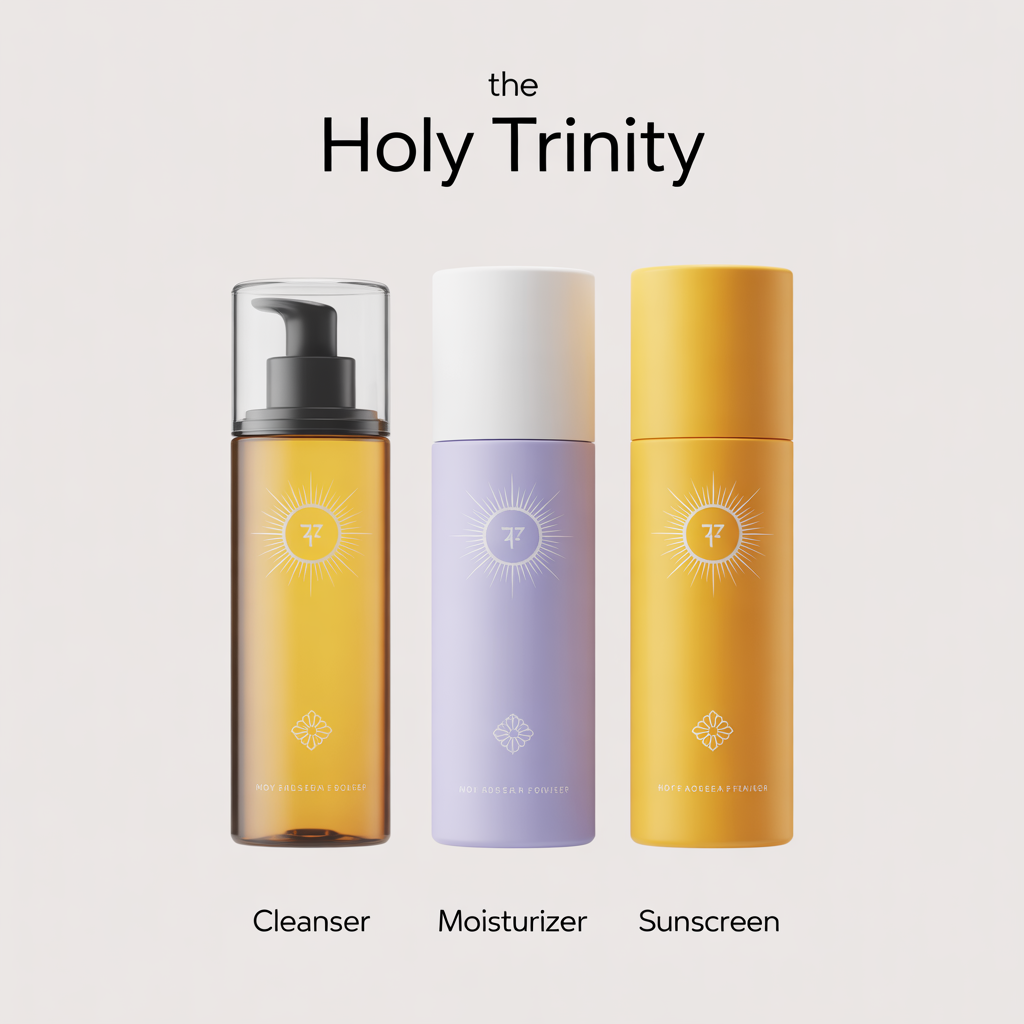
Your basic skincare routine needs exactly three things to start:
- Cleanser – removes dirt, oil, and the questionable decisions from yesterday
- Moisturizer – keeps your skin hydrated and happy
- SPF – protects you from UV rays (non-negotiable, even on cloudy days!)
That’s it. That’s the foundation. Everything else? Consider it optional DLC content.
The one-product-every-two-weeks rule is your new best friend. Add one new serum or treatment, wait two full weeks, observe how your skin reacts, and then decide if you want to add another. It’s like speed dating for your face, except slower and with better results.
Skin Barrier: The outermost layer of your skin that acts like a protective shield, keeping moisture in and irritants out. When you use too many products, you basically fire your bouncer and let chaos reign.
Mistake #2: Skipping the Patch Test (Because Who Has Time, Right? Wrong!)
Look, I get it. You just dropped $50 on a serum that promises to change your life, and you want to slather it all over your face immediately. But hold up, gorgeous—patch testing is literally your face’s insurance policy, and it takes like two minutes.
Remember that friend who dyed their hair at home without a strand test and ended up with orange spaghetti on their head? Same energy. Don’t be that friend.
The horror stories are REAL:
- Allergic reactions that make you look like you fought a bee (and lost)
- Chemical burns that hurt worse than seeing your ex with someone new
- Full-face breakouts right before your big presentation/date/wedding
The Fix: Two Minutes That Could Save Your Face
Here’s your simple skincare routine for testing new products:
- Apply a small amount behind your ear or on your inner arm
- Wait 24-48 hours like your skin depends on it (because it does)
- Observe for any signs your skin is screaming “nope”—redness, itching, burning, bumps, or that weird tight feeling
What you’re watching for:
- Redness or inflammation
- Itching that won’t quit
- Burning sensation (your skin should NOT feel like it’s on fire)
- Raised bumps or hives
- Any feeling that makes you go “hmm, this ain’t right”
If your patch test area looks happy after 48 hours, congratulations! You can cautiously introduce it to your face. Start with once every three days, then gradually increase if all goes well.
Pro tip: test on a weekday evening, not Friday night before your beach weekend. Trust me on this one.
Mistake #3: Playing Musical Chairs with Your Products (The Impatient Switcher Syndrome)
Let me guess: you bought a new serum, used it for five days, saw zero results, and immediately rage-bought three different products to replace it? Bestie, your skin isn’t a microwave—it doesn’t work in 30 seconds or less.
Thanks to those misleading before-and-after photos (that were definitely taken with different lighting, angles, and possibly different faces), we all expect overnight miracles. But here’s the actual science, explained like you’re five:
Your skin is constantly making new cells—kind of like a factory that never closes. Old skin cells die and flake off, while new ones push up from underneath. This whole process takes about 28-40 days. So when you use a product for three days and decide it’s “not working,” you’re literally judging it before it’s even clocked in for its first shift.
The Fix: Patience Is Actually a Virtue (Ugh, I Know)

Commit to products for 4-6 weeks minimum before passing judgment. That’s how long it takes to see if something’s actually working or just taking up space on your bathroom shelf.
Here are the exceptions (because sometimes you DO need to yeet immediately):
- Burning or stinging that doesn’t stop after 30 seconds
- Immediate breakouts that look angry and red
- Allergic reactions (hives, swelling, intense itching)
- Anything that makes your skin feel worse than before you started
But if a product just isn’t giving you dramatic results in week one? That’s normal. Give it time to do its thing.
Track your progress without losing your mind:
- Take photos weekly in the same lighting
- Keep a simple journal (literally just “Week 1: looks the same, no reactions”)
- Note any changes, good or bad
- Compare your week 6 photo to your starting photo (this is where the magic reveals itself!)
The difference between being wrong too long and being impatient? If something’s actively hurting your skin, stop immediately. If something’s just not showing results yet, keep going.
Hyaluronic Acid: A moisture-binding ingredient that can hold up to 1,000 times its weight in water. Think of it as a tiny sponge that keeps your skin plump and hydrated.
Mistake #4: Exfoliating Like Your Skin Owes You Money (Over-Exfoliation Nation)
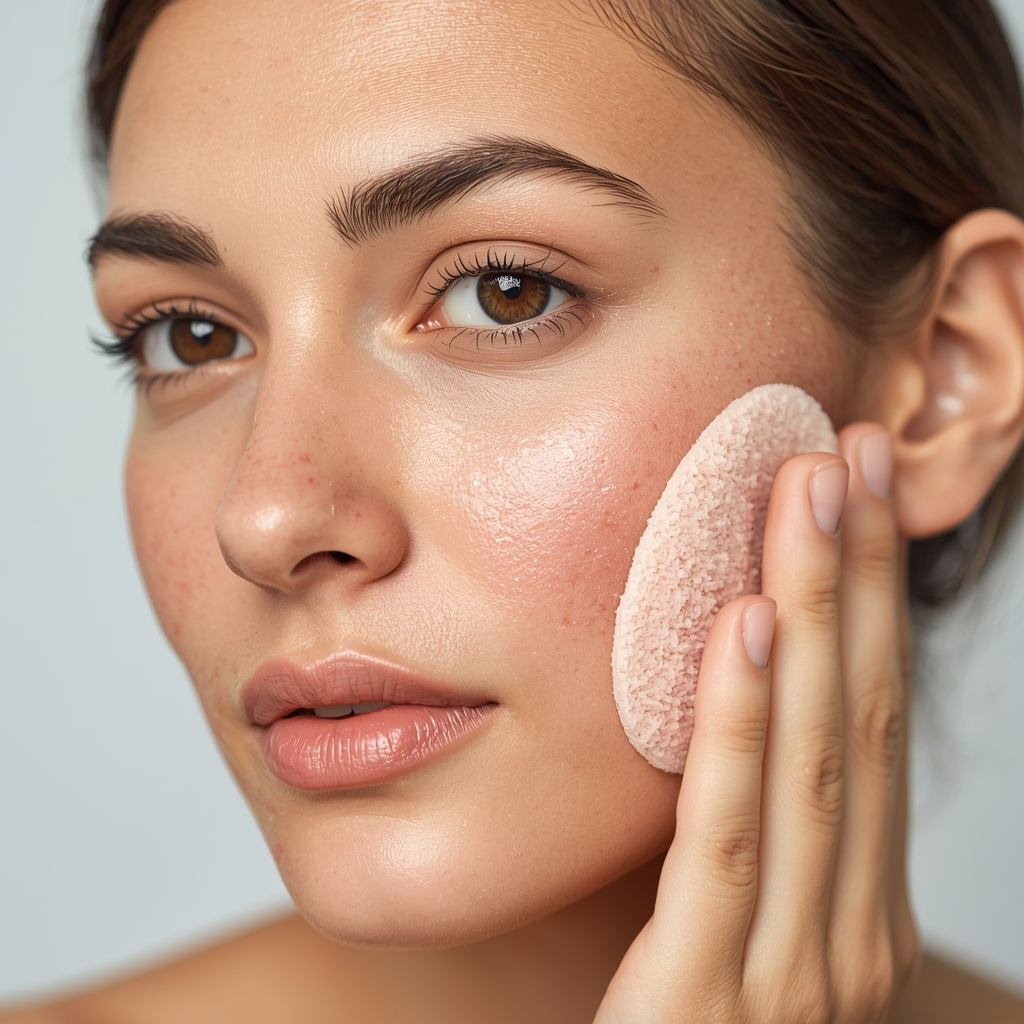
We’ve all seen those glowy-skin transformations and thought, “If I just scrub harder/more often, I’ll get there faster!” But here’s the plot twist: exfoliating more doesn’t equal glowier skin. It equals angry, damaged skin that looks shiny in a “my protective barrier just peaced out” way, not a cute dewy way.
What over-exfoliation looks like (and it’s not pretty):
- Raw, red skin that’s sensitive to literally everything
- Tightness that feels like your face is three sizes too small
- Products that used to be fine now burn like fire
- Shiny skin that’s not glowy—just damaged
- More breakouts (because surprise! Your skin barrier is toast)
Chemical vs. Physical: Pick a Lane, Babe
Here’s where beginners really go wrong: they use a physical scrub (those ones with gritty bits) AND chemical exfoliants (like acids) AND a cleansing brush. That’s like washing your car with soap, then bleach, then a pressure washer. Overkill doesn’t even begin to cover it.
AHAs/BHAs: Alpha and Beta Hydroxy Acids are chemical exfoliants that dissolve dead skin cells. AHAs (like glycolic acid) work on the surface, while BHAs (like salicylic acid) dive deep into pores. They’re the difference between dusting your furniture and deep-cleaning your carpets.
Your skin barrier explained: Think of your skin barrier as the bouncer at an exclusive club. Its job is to keep the good stuff in (moisture, hydration) and the bad stuff out (bacteria, pollution, your roommate’s questionable hygiene habits). When you over-exfoliate, you basically fire your bouncer and let everyone in. Chaos ensues.
The Fix: Less Is Literally More
Exfoliate 2-3 times per week MAX when you’re starting out. That’s it. Not daily. Not “whenever I remember.” Two to three times, consistently.
Signs you’ve gone too far:
- Your skin feels tight even after moisturizing
- Products that were fine before now sting
- You’re shiny but not in a Hailey Bieber glazed-donut way
- Everything feels raw and sensitive
- Your skin looks almost translucent or overly thin
Recovery mode activated:
- Stop ALL exfoliation immediately
- Use only gentle, fragrance-free cleanser
- Slather on simple, basic moisturizer
- Add an occlusive at night (like Vaseline or Aquaphor on extra-dry spots)
- Wait. Like, actually wait. Give your skin 2-3 weeks to rebuild its barrier
Your skin will forgive you, but it needs time and gentleness. Think of it as nursing a sunburn—you wouldn’t scrub a sunburn, would you? Exactly.
Niacinamide: A form of Vitamin B3 that’s basically a multitasker extraordinaire—it reduces inflammation, minimizes pores, regulates oil, and plays well with almost every other ingredient.
Mistake #5: Applying Products in Your Skincare Routine in Whatever Random Order Feels Right (Spoiler: Order Matters, Bestie)
Okay, real talk: product order in your beginner skincare routine matters just as much as the products themselves. It’s like getting dressed—you wouldn’t put your coat on first and then try to put on your shirt, would you? (If you would, we need to have a different conversation.)
The golden rule that’ll change your life: thinnest to thickest consistency. Water-based serums before oil-based creams. Light before heavy. Got it? Good.
Common Ordering Mistakes (We’ve All Been There)
Here’s where everyone messes up:
- Putting moisturizer on before serum (the moisturizer blocks the serum from penetrating)
- Applying sunscreen under moisturizer (SPF needs to be the final shield)
- Slapping face oil on first (oil repels water, so your water-based products just slide right off)
- Using retinol before cleansing (bestie, what are we doing?)
The Fix: Your Step-by-Step Skincare Regimen
Morning Routine:
- Cleanser – wake up your face and remove overnight oil/products
- Toner (if using) – balances pH and preps skin
- Serum – targets specific concerns (vitamin C for brightness!)
- Moisturizer – locks in hydration
- SPF – ALWAYS last, always non-negotiable (this is your shield, not your sword)
Evening Routine:
- Cleanser – removes makeup, SPF, and the day’s nonsense
- Toner (if using) – same as morning
- Treatment serum – this is when you use retinol, if you’re using it
- Moisturizer – heavier at night is fine!
- Face oil (optional) – seals everything in like a protective hug
Retinol: A vitamin A derivative that speeds up cell turnover and boosts collagen. It’s the overachiever of skincare but needs to be introduced slowly (like once or twice a week at first) because it can be irritating.
Wait Times: Do You Actually Need Them?
Short answer: not really, but 30-60 seconds between steps doesn’t hurt. This gives each product a moment to settle and start absorbing. Think of it as giving each product its moment in the spotlight before the next one comes on stage.
The fix that actually sticks: Write your routine order on a sticky note and slap it on your bathroom mirror. Read it every morning and night until it becomes muscle memory. Your future glowing self will thank you.
Why SPF always goes last: Sunscreen needs to form an even protective layer on top of your skin. If you put anything over it, you’re basically creating gaps in your sun protection. And sun damage? That’s the one thing that’ll age you faster than you can say “why didn’t I wear sunscreen?”
Vitamin C: An antioxidant that brightens skin, fades dark spots, and protects against environmental damage. Use it in the morning for maximum protection benefits, and store it somewhere dark because it’s dramatic and hates light.
Building Your Foolproof Skincare Routine: The Essential Steps in Skincare Routine You Actually Need
Let’s get real for a second: the essential steps in skincare routine are WAY simpler than TikTok and Instagram led you to believe. You don’t need 15 serums and a ritual that takes 45 minutes. You need consistency, the right basics, and realistic expectations.
The Minimalist Approach That Actually Works
Your foundation is literally three things:
- Cleanser – removes dirt, makeup, and regret
- Moisturizer – keeps your skin hydrated and balanced
- SPF – protects against UV damage (yes, even indoors, yes, even when it’s cloudy)
That’s your non-negotiable trinity. Everything else? It’s bonus content.
When to Add Extras (Because Sometimes You Need More)
Once your basic three-step daily skincare routine is working consistently for 4-6 weeks, you can consider adding:
- Serums for specific concerns (vitamin C for brightness, niacinamide for pores)
- Exfoliants for texture (but remember: 2-3 times weekly MAX)
- Treatments for acne or other issues (like spot treatments or retinol)
Add one thing at a time, wait two weeks, assess, repeat.
Salicylic Acid: A BHA that dives deep into pores to clear out oil and dead skin cells. Perfect for acne-prone skin, but can be drying, so start slow.
Morning vs. Evening: Same Same But Different
Morning routine focus: Protection and hydration
- Gentle cleanser
- Lightweight serum (vitamin C is perfect here)
- Moisturizer
- SPF (minimum SPF 30, broad-spectrum)
Evening routine focus: Treatment and repair
- Thorough cleanse (double cleanse if you wore makeup/sunscreen)
- Treatment serums (retinol, if using)
- Richer moisturizer
- Optional face oil for extra nourishment
Your skin does most of its repair work at night, so this is when you can use more active ingredients without worrying about sun sensitivity.
Product Recommendations by Skin Type (Without Breaking the Bank)
Dry Skin:
- Creamy, hydrating cleanser (CeraVe Hydrating is a cult fave)
- Hyaluronic acid serum
- Rich moisturizer with ceramides
- Moisturizing SPF
Oily/Acne-Prone:
- Gel or foaming cleanser
- Niacinamide serum
- Lightweight, oil-free moisturizer
- Matte-finish SPF
Combination:
- Gentle foaming cleanser
- Balanced serum (niacinamide works great)
- Medium-weight moisturizer
- Standard SPF
Sensitive:
- Fragrance-free gentle cleanser
- Soothing serums (look for centella or panthenol)
- Simple, minimal-ingredient moisturizer
- Mineral SPF (zinc oxide/titanium dioxide)
How to Know When Your Skin Care Routine Is Actually Working
Set realistic expectations, bestie:
- Week 1-2: Your skin is adjusting, you probably won’t see changes
- Week 3-4: You might notice your skin feels different (softer, more balanced)
- Week 6-8: This is when you’ll see visible changes (fewer breakouts, better texture)
- Week 12+: Long-term benefits become obvious (even skin tone, consistent glow
Disclosure: This post may contain affiliate links. If you click through and make a purchase, I may earn a commission at no additional cost to you. I only recommend products I personally use or genuinely believe will add value to my readers. Thank you for supporting Blush & Bloom!